Meta plans to bring a cheaper version of Quest 3 to China via a deal with Tencent, The Wall Street Journal reports.
Meta and Tencent's aim to sell Quest headsets in China was first reported by Chinese news outlet 36Kr back in February, though that report claimed the product was planned to be Quest 2.
In July The Wall Street Journal reported that the partnership faced "challenges" because of Mark Zuckerberg's past comments about China. The new report today suggests those issues have been resolved, though describes the partnership as "provisional" with details still "subject to change".
Quest 3 Lite?
The Wall Street Journal reports the headset sold will use cheaper lenses than Quest 3 but a more powerful GPU than Quest 2, and will also be sold outside China. Based on other reports over the past year, it's quite clear what headset the report is referring to.
A Meta roadmap leaked to The Verge earlier this year revealed the company planned to release a new headset after Quest 3 in 2024 "at the most attractive price point in the VR consumer market".
Last month Bloomberg's Mark Gurman reported that this new headset will replace Quest 2 in Meta's lineup, while a Chinese analyst who has been reliable in the past claimed this headset will use the old fresnel lenses from Quest 2, be named "Quest 3 Lite", and feature the same Snapdragon XR2 Gen 2 chipset as Quest 3.
Tencent Partnership & ByteDance Competition
To sell many kinds of products in China, foreign companies must partner with a Chinese company or set up a local subsidiary. Tencent will reportedly sell and support the Quest headset in China, while both companies would work together on localization and translation of Quest Store content. Meta would reportedly get most of the device revenue, while Tencent would get most of the content revenue.
This wouldn’t be a novel arrangement for Tencent. It has already been selling and supporting the Nintendo Switch in the Chinese market since 2019. 36Kr reported that the executive put in charge of Tencent’s Meta Quest venture was the same one who handled the Nintendo partnership.
Reuters reported earlier this year that Tencent scrapped its own in-development VR headset due to the high cost of the project and internal projections that it wouldn’t be profitable until 2027. 36Kr's report says Tencent battled with ByteDance to acquire Pico in 2021 but lost because ByteDance’s bid was significantly higher.
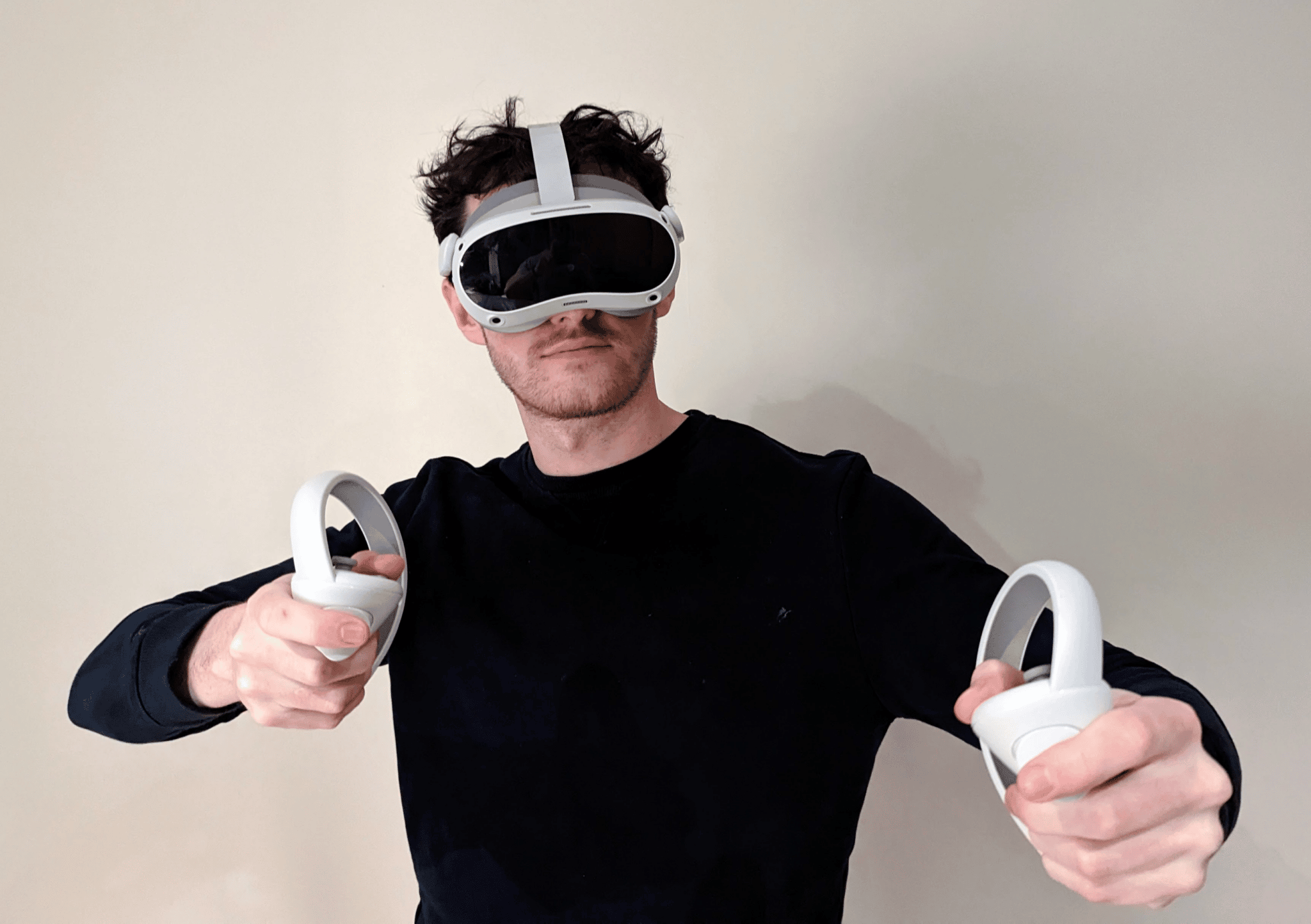
Meanwhile ByteDance laid off a significant portion of Pico's workforce this week. Pico is keeping its hardware team, but most of the software team is reportedly being "folded into" ByteDance. The short-term future of the Pico 4 platform seems unclear at best.
Could Meta's plans with Tencent be part of the reason for ByteDance's decision to "restructure" Pico? And might Meta's entry into its home market just spell even more trouble for the VR efforts at TikTok's parent company?
via
Mint VR